

Vietnam for First-Time Visitors: The Complete Travel Guide
Vietnam is one of the most rewarding destinations in Southeast Asia for first-time international travelers. The country combines historic cities, spectacular mountains, limestone landscapes, tropical beaches, extraordinary food and a culture that is deeply connected to everyday life.
But Vietnam can also feel overwhelming when you first start planning. The country is long, the distances between major destinations are greater than they look on a map, weather varies significantly from north to south, and transportation works differently from what many visitors are accustomed to.
The good news is that Vietnam is relatively easy to explore once you understand the basics. This complete guide covers where to go, when to visit, how long to stay, what to eat, how to get around, what to expect, what to pack, how much to budget and how to build your first Vietnam itinerary.
Is Vietnam a Good Destination for First-Time Visitors?
Absolutely. Vietnam offers a particularly strong combination of affordability, food, scenery, history and variety.
A first trip can include ancient temples, French colonial architecture, street-food markets, mountain valleys, UNESCO-recognized heritage sites, beaches and modern cities without requiring international travelers to cross borders between countries.
Vietnam is also relatively easy to customize. Backpackers can travel economically, couples can create romantic itineraries, families can choose private transportation and luxury travelers can build high-end journeys around premium hotels, private guides and carefully selected experiences.
How Many Days Do You Need for Vietnam?
For a first visit, 10–14 days is a very good starting point.
A 7-day trip can work, but you should concentrate on one region rather than trying to see the entire country.
With 10 days, you can combine Hanoi, Ha Long Bay and Central or Southern Vietnam.
With 14 days, you have enough time to experience several major destinations without spending every day in transit.
A 21-day itinerary allows a much slower journey with Northern mountains, cities, cultural destinations, beaches and the Mekong Delta.
The biggest mistake first-time visitors make is trying to cover too much territory.
Where Should First-Time Visitors Go in Vietnam?
For a first trip, the classic route is:
Hanoi → Ha Long Bay → Hue or Hoi An → Ho Chi Minh City → Mekong Delta
You can add Sapa, Ha Giang, Da Nang, Phu Quoc or another destination depending on your interests and available time.
If you prefer a more relaxed trip, choose fewer destinations and spend more time in each one.
Start Your Vietnam Trip in Hanoi
Hanoi is an excellent starting point because it introduces travelers to many aspects of Vietnamese culture at once.
You can walk around Hoan Kiem Lake, explore the Old Quarter, visit historic landmarks, drink Vietnamese coffee, eat street food and discover the city’s French colonial architecture.
Hanoi also provides an ideal base for exploring Northern Vietnam.
What Should You See in Hanoi?
First-time visitors should consider:
Hoan Kiem Lake, Hanoi Old Quarter, Temple of Literature, Ho Chi Minh Mausoleum and Complex, One Pillar Pagoda, Hanoi Opera House, French Quarter, West Lake and Long Bien Bridge.
You do not need to visit every attraction in one day.
Spend time walking, eating and observing the streets between major sightseeing stops.
Experience Hanoi Beyond the Main Attractions
One of the best ways to understand Hanoi is to leave the major tourist streets.
Explore residential alleys, neighborhood markets, tiny cafés, family restaurants and streets where traditional businesses operate alongside modern shops.
This is where Hanoi becomes more than a collection of monuments.
Take a Hanoi Vespa Tour
A Vespa tour is one of the easiest ways for first-time visitors to experience more of Hanoi in a short period.
Instead of sitting inside a car, you move through narrow streets and neighborhoods while seeing the city at street level.
A professionally guided Hanoi Vespa Tour Led by Women can combine landmarks, food, hidden streets, historical stories and everyday scenes in a single experience.
For travelers who are not comfortable riding themselves, traveling as a passenger with a professional driver is a convenient alternative.
Try Hanoi Street Food
Food should be one of your priorities from your first day.
Start with phở, then try bún chả, bánh cuốn, bánh mì, xôi, chả cá and Vietnamese desserts.
Do not limit yourself to restaurants with English-language menus. Some of Hanoi’s most memorable food experiences happen at tiny establishments with only a few tables.
Try Vietnamese Egg Coffee
Hanoi’s egg coffee is one of the city’s most famous drinks.
The combination of strong Vietnamese coffee and a creamy egg-based topping may sound unusual, but it has become one of Hanoi’s signature culinary experiences.
It is worth trying at least once, even if you normally drink your coffee black.
Visit Ha Long Bay
Ha Long Bay is one of Vietnam’s most recognizable landscapes.
Towering limestone formations rise from the sea, creating a dramatic environment best appreciated from a boat.
For first-time visitors, an overnight cruise can provide a more complete experience than a rushed day trip.
Weather matters, however. Northern Vietnam’s conditions change considerably by season, and storms or poor weather can affect cruises.
Consider Lan Ha Bay or Cat Ba
Travelers who want a slightly different bay experience can consider Lan Ha Bay and Cat Ba Island.
The area combines limestone islands, beaches, waterways and outdoor activities.
It can be a good alternative or extension to a Ha Long Bay itinerary.
Should You Visit Sapa?
Sapa is an excellent choice if you enjoy mountains, trekking and rural landscapes.
The surrounding region is famous for rice terraces and mountain communities.
Sapa is considerably cooler than many other parts of Vietnam, particularly during the colder months, so check the forecast before packing.
Should You Visit Ha Giang?
Ha Giang is better suited to travelers who want spectacular mountain scenery and adventure.
The region’s winding roads, limestone mountains and deep valleys create some of Northern Vietnam’s most impressive landscapes.
If you are not an experienced motorcycle rider, consider traveling with a professional driver rather than renting a motorcycle and attempting the mountain roads independently.
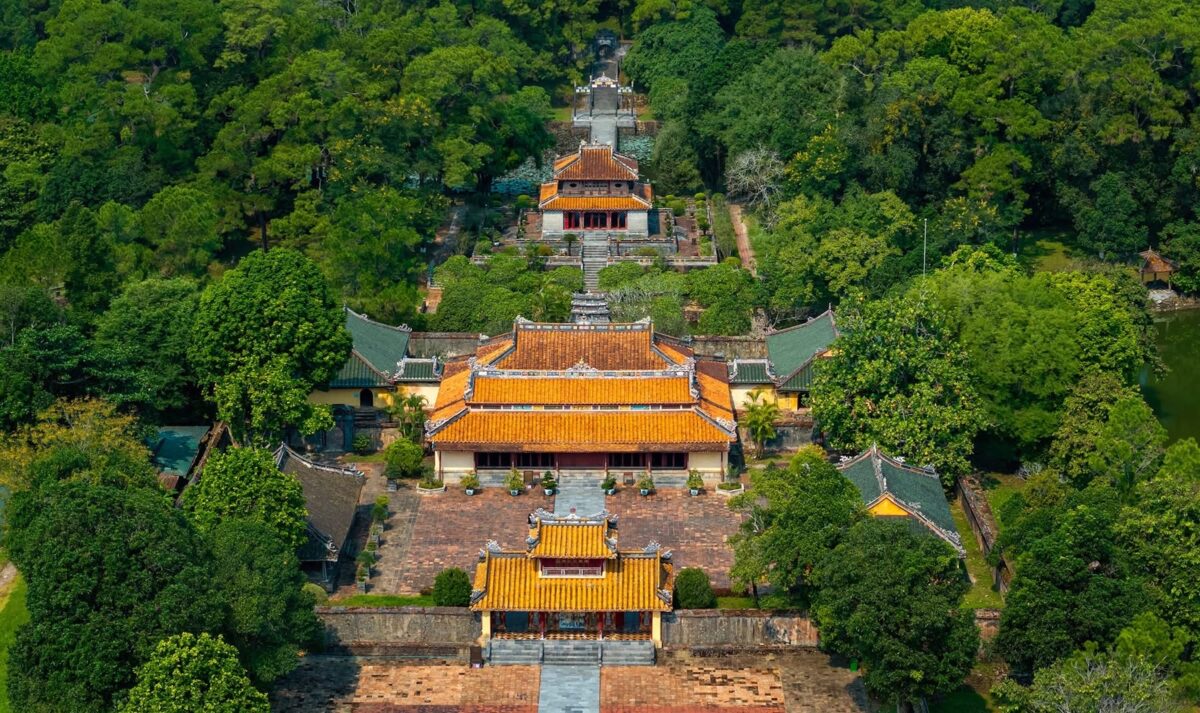
Visit Hue for Vietnamese History
Hue was the imperial capital of Vietnam and remains one of the country’s most important cultural destinations.
The Imperial City, royal tombs, pagodas and Perfume River provide a different perspective from Hanoi.
History enthusiasts should allow at least two days for Hue rather than treating it as a quick stop.
Eat Bún Bò Huế
Do not leave Hue without trying bún bò Huế.
This spicy beef noodle soup is one of Central Vietnam’s best-known dishes and tastes completely different from Northern Vietnamese noodle soups.
Regional food is one of the best ways to understand the geographical diversity of Vietnam.
Visit Hoi An
Hoi An is one of the easiest destinations for first-time visitors to fall in love with.
The historic streets, yellow buildings, lanterns, riverside setting, cafés and restaurants create an atmosphere that contrasts sharply with Hanoi.
Explore during the day, return around sunset and stay into the evening.
Try Hoi An’s Signature Dishes
Look for cao lầu, mì Quảng, white rose dumplings and Hoi An-style bánh mì.
A cooking class is another excellent way to understand the ingredients and techniques behind Vietnamese cuisine.
Visit Da Nang
Da Nang is a practical destination for travelers who want beaches, restaurants, modern hotels and convenient access to Central Vietnam.
You can combine Da Nang with Hoi An and Hue without needing to change hotels every night.
The city is also an important domestic transportation hub.
Drive the Hai Van Pass
The Hai Van Pass between Hue and Da Nang offers one of Central Vietnam’s most scenic road journeys.
The route climbs through mountains with views toward the coastline.
A private car or guided motorbike experience gives you more flexibility to stop at viewpoints and enjoy the scenery.
Explore Ho Chi Minh City
Ho Chi Minh City offers a very different atmosphere from Hanoi.
It is larger, faster and more modern in many areas, with skyscrapers, shopping centers, restaurants, cafés and an energetic nightlife scene.
Important attractions include the War Remnants Museum, Reunification Palace, Central Post Office, Notre-Dame Cathedral area, Ben Thanh Market and the city’s historic districts.
Experience Ho Chi Minh City’s Food Scene
Southern Vietnamese cuisine has its own character.
Try cơm tấm, bánh xèo, hủ tiếu, Vietnamese seafood, bánh mì and southern-style desserts.
The city is also excellent for specialty coffee and modern Vietnamese cuisine.
Visit the Mekong Delta
The Mekong Delta is a natural extension to a Ho Chi Minh City itinerary.
Rivers, canals, orchards, agricultural land and small communities shape daily life.
Rather than focusing only on tourist attractions, look for experiences that combine boating, walking, cycling, food and visits to agricultural areas.
Should You Visit Phu Quoc?
Phu Quoc is a good choice if you want to add several relaxing beach days to your itinerary.
It works particularly well at the end of a longer trip when you want to slow down after several days of sightseeing.
The island generally has its best beach conditions outside the wetter months, while weather can become stormier during parts of July through September.
When Is the Best Time to Visit Vietnam?
There is no single perfect month for the entire country because Vietnam stretches across several climate zones.
Northern, Central and Southern Vietnam experience different weather patterns.
According to the country’s official travel information, March to May can offer favorable conditions across much of the country, but each region has its own ideal travel periods.
Northern Vietnam
Hanoi and Northern Vietnam generally have cooler winters, hot summers and a wetter period during the summer months.
April to June and September to November can be particularly attractive for Hanoi, while mountain destinations have their own seasonal variations.
Central Vietnam
Hue and Hoi An have different rainfall patterns from Northern Vietnam.
Hoi An is generally warmer and sunnier from February through August, while September through January can bring more rain and occasional flooding.
Southern Vietnam
Ho Chi Minh City and the Mekong Delta remain warm throughout the year.
The dry season generally runs from December through April, while May through November brings more frequent rainfall.
How Hot Is Vietnam?
Vietnam can be very hot and humid, particularly from late spring through summer in many regions.
Temperatures vary considerably between the mountains, coast and major cities.
Pack lightweight clothing, comfortable walking shoes, sunscreen, sunglasses, a hat and rain protection.
For Northern Vietnam in winter, bring layers.
What Should You Pack for Vietnam?
A practical first-time packing list includes:
Lightweight shirts, comfortable trousers, shorts, walking shoes, sandals, a light jacket, rain protection, sunscreen, sunglasses, insect repellent, medications, a power bank, travel adapter, reusable water bottle and a small day bag.
If you visit temples and pagodas, bring clothing that covers shoulders and knees.
Do not overpack. Laundry services are inexpensive and widely available.
Do You Need a Visa for Vietnam?
Visa requirements depend on your passport and travel circumstances.
Vietnam currently offers e-visas to citizens of all countries and territories, with e-visas available for stays of up to 90 days and multiple entry under the current policy. Certain nationalities also receive visa exemptions.
Because immigration rules can change, first-time visitors should check the current requirements for their specific passport before booking flights.
How Do You Get to Vietnam?
Most international visitors arrive through one of Vietnam’s major international gateways, particularly Hanoi, Ho Chi Minh City or Da Nang.
Other airports also receive international services, including destinations such as Nha Trang and Phu Quoc.
For a first trip, Hanoi is an excellent arrival point if you want to explore Northern Vietnam before traveling south.
How Do You Get Around Vietnam?
Vietnam has several transportation options, including domestic flights, buses, trains, taxis, ride-hailing services, private cars, bicycles and motorbikes.
For long distances, flying is often the most efficient option.
For shorter journeys, private cars, buses and guided tours can be more practical.
Within cities, ride-hailing applications are widely useful.
Should First-Time Visitors Rent a Motorbike?
Not necessarily.
Vietnam’s roads can be challenging for inexperienced riders, particularly in Hanoi and Ho Chi Minh City.
If you have the appropriate license and significant riding experience, renting can be an option. Otherwise, consider traveling as a passenger on a professional guided motorbike or Vespa tour.
Is Vietnam Safe for Tourists?
Vietnam is generally a comfortable destination for international travelers, but normal precautions are necessary.
The biggest practical concerns for visitors tend to involve traffic, petty theft, scams, food and drink hygiene and weather disruptions.
Keep your belongings secure, use reputable transportation and be especially careful around busy roads.
How Much Does a Vietnam Trip Cost?
Vietnam can accommodate many different travel budgets.
Budget travelers can use inexpensive hotels, street food and public transportation. Mid-range travelers can choose comfortable hotels, domestic flights and guided tours. Luxury travelers can combine five-star hotels, private transportation, premium cruises and private guides.
Your biggest costs will usually be accommodation, transportation and tours.
Is Street Food Safe?
Street food is an important part of traveling in Vietnam.
Choose busy stalls with high turnover, watch how food is prepared and prioritize freshly cooked dishes.
You do not need to avoid street food simply because you are visiting from overseas.
In fact, trying Vietnamese street food is one of the most important first-time experiences.
How Much Cash Should You Carry?
Vietnam uses the Vietnamese đồng (VND).
Cards are widely accepted in hotels, major restaurants and larger businesses, but cash remains useful for street food, markets, small shops and some local services.
Carry a reasonable amount rather than keeping all your money in one place.
What Language Is Spoken in Vietnam?
Vietnamese is the official language.
English is widely used in hotels, tourism businesses and major tourist destinations, but communication becomes less predictable in rural areas.
Learning a few Vietnamese words can be useful and is usually appreciated.
Try:
Xin chào – Hello
Cảm ơn – Thank you
Bao nhiêu? – How much?
Không – No
Ngon – Delicious
Even a few words can make everyday interactions more enjoyable.
What Is Vietnamese Culture Like?
Vietnamese culture is shaped by thousands of years of history, regional traditions, family values, Buddhism, Confucian influences and interactions with neighboring countries and foreign cultures.
Family remains important, food is highly social and respect for elders is deeply embedded in everyday life.
First-time visitors should approach cultural differences with curiosity rather than expecting Vietnam to operate exactly like their home country.
How Should You Dress in Vietnam?
Casual clothing is appropriate for most everyday situations.
For temples and religious sites, dress more conservatively.
Lightweight clothing is ideal for hot weather, while Northern Vietnam during winter can require considerably warmer layers.
Comfort matters because sightseeing often involves extensive walking.
Is Tipping Expected in Vietnam?
Tipping is not traditionally mandatory in the same way it is in some Western countries.
However, tips are increasingly appreciated in tourism, particularly for guides, drivers and service staff who provide excellent service.
If you are happy with your experience, a reasonable tip is a nice gesture.
What Should First-Time Visitors Avoid?
Avoid trying to see the entire country in a few days.
Avoid riding a motorcycle without the appropriate legal requirements and experience.
Avoid carrying all your valuables in one bag.
Avoid assuming that every region has the same weather.
Avoid choosing tours solely because they are the cheapest.
And avoid spending the entire trip inside your hotel or tourist bubble.
What Are the Biggest Mistakes First-Time Visitors Make?
The most common mistakes are overpacking, underestimating distances, ignoring regional weather, booking too many destinations, forgetting travel insurance, spending too much time in transit and trying to experience Vietnam only through famous attractions.
Give yourself time to stop and explore.
A Simple 7-Day Vietnam Itinerary
For a first trip of one week, keep things focused.
Day 1: Arrive in Hanoi and explore the Old Quarter.
Day 2: Hanoi cultural sightseeing and street food.
Day 3: Hanoi experiences and evening food tour.
Day 4: Travel to Ha Long Bay.
Day 5: Ha Long Bay and return to Hanoi.
Day 6: Continue to another destination or fly south.
Day 7: Final sightseeing and departure.
A seven-day trip should not attempt to cover Hanoi, Hue, Hoi An, Ho Chi Minh City and the Mekong Delta all at once.
A Simple 10-Day Vietnam Itinerary
Days 1–3: Hanoi.
Days 4–5: Ha Long Bay or Lan Ha Bay.
Days 6–7: Hoi An and Da Nang.
Days 8–10: Ho Chi Minh City.
This gives first-time travelers a useful introduction to Northern, Central and Southern Vietnam.
A Simple 14-Day Vietnam Itinerary
Days 1–3: Hanoi.
Days 4–5: Ha Long Bay.
Days 6–8: Hue, Hai Van Pass and Hoi An.
Days 9–11: Ho Chi Minh City.
Days 12–13: Mekong Delta.
Day 14: Return to Ho Chi Minh City and depart.
If you prefer mountains, replace some Central or Southern destinations with Sapa or Ha Giang.
A Simple 21-Day Vietnam Itinerary
With three weeks, you can slow down significantly.
Days 1–3: Hanoi.
Days 4–6: Northern mountain region.
Days 7–8: Ha Long Bay or Lan Ha Bay.
Days 9–11: Hue and Central Vietnam.
Days 12–14: Hoi An and Da Nang.
Days 15–17: Ho Chi Minh City.
Days 18–20: Mekong Delta.
Day 21: Departure.
This type of itinerary gives you time for food, culture, nature and relaxation instead of spending every day packing and unpacking.
Best Vietnam Experiences for First-Time Visitors
If you only remember ten experiences, make them these:
Eat phở in Hanoi. Explore Hanoi’s Old Quarter. Take a guided Vespa or motorbike experience. Visit the Temple of Literature. Cruise Ha Long Bay or Lan Ha Bay. Explore Hue’s Imperial City. Walk through Hoi An at night. Try regional Central Vietnamese food. Discover Ho Chi Minh City’s energy. Take a boat through the Mekong Delta.
These experiences provide a strong introduction to Vietnam’s food, history, landscapes and everyday life.
Vietnam for First-Time Visitors: What You Really Need to Know
You do not need to understand everything about Vietnam before arriving.
You need a valid passport and appropriate entry permission, a sensible itinerary, comfortable clothing, a little patience and an open mind.
Expect busy streets. Expect motorcycles. Expect incredible food. Expect strong coffee. Expect weather to vary by region. Expect some things to work differently from home.
And most importantly, give yourself permission to slow down.
Vietnam is not best experienced by rushing from one attraction to another. Some of the best memories come from sitting at a small café, watching the traffic, sharing a meal, wandering through an old neighborhood or discovering a street you never planned to visit.
Final Thoughts
For first-time visitors, Vietnam offers an extraordinary amount of variety without requiring an overly complicated trip.
Start in Hanoi, experience Northern Vietnam, continue through Central Vietnam and finish in Ho Chi Minh City and the Mekong Delta if you have enough time.
Choose experiences rather than collecting destinations. Eat regional food. Talk to people. Explore side streets. Visit historical sites. Spend time in nature. Use professional transportation when appropriate. And leave enough space in your itinerary for unexpected discoveries.
That is how Vietnam changes from a country you have visited into a place you actually remember.
Plan Your First Vietnam Trip With Vietnam Women Travel
Vietnam Women Travel – Premium Private Tours Led by Women specializes in private Vietnam journeys designed around each traveler’s interests, schedule and preferred pace.
For first-time visitors, a private itinerary can make the entire experience easier. Instead of worrying about every transfer, hotel change and activity yourself, you can combine professional transportation, experienced women guides, carefully selected hotels and private experiences.
Your journey can begin in Hanoi and continue through Northern, Central and Southern Vietnam, with experiences such as Hanoi Vespa tours, Vietnamese food tours, cultural sightseeing, traditional villages, Ha Long Bay, Hoi An, Hue, Ho Chi Minh City and the Mekong Delta.
Why Choose Vietnam Women Travel?
Vietnam Women Travel – Premium Private Tours Led by Women focuses on private travel rather than large standardized groups. The goal is to give first-time visitors a comfortable way to discover Vietnam while still experiencing its food, culture, landscapes and everyday life.
Whether you are traveling as a couple, family, solo traveler or private group, your itinerary can be adapted around your interests and travel dates.
Contact Vietnam Women Travel
VIETNAM WOMEN TRAVEL – PREMIUM PRIVATE TOURS LED BY WOMEN
Website: Vietnam Women Travel
Phone / WhatsApp: +84 988 402 008
Email: info@vietnamwomentravel.com
Planning your first Vietnam trip? Create a private journey that combines Hanoi, Vietnamese food, culture, nature and unforgettable experiences at a pace that works for you.